
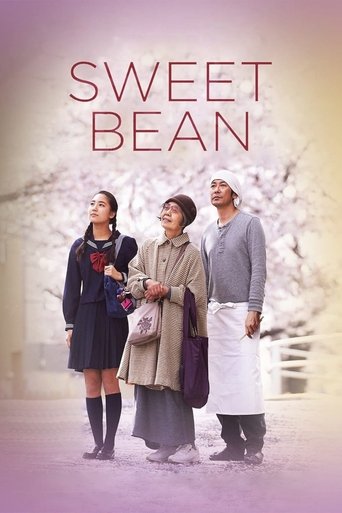
 7.5Sweet Bean2015 · Naomi Kawase
Japanese cinema, 1951 to today
JPFilms
176 films by 115 directors, each with its cast, its rating and a Watch now button.
 Perfect Days · 2023 · Wim Wenders
Seven decades in four eras
Most watched
Full list (176)7.5Sweet Bean2015 · Naomi Kawase 7.5Kikujiro1999 · Takeshi Kitano
 7.2Beyond the Infinite Two Minutes2020 · Junta Yamaguchi
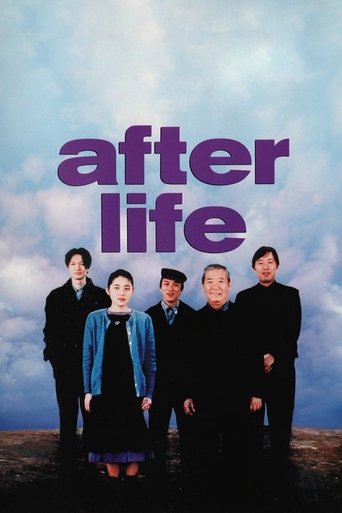 7.2After Life1999 · Hirokazu Kore-eda
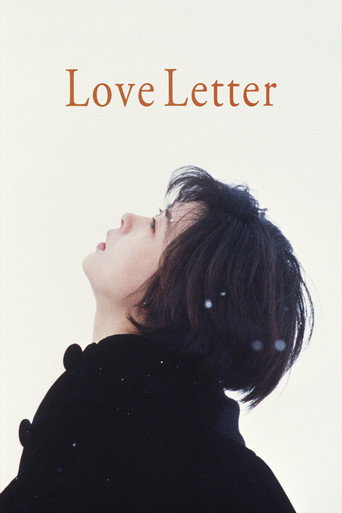 7.8Love Letter1995 · Shunji Iwai
 7.1Kamikaze Girls2004 · Tetsuya Nakashima
 8.4Drawing Closer2024 · Takahiro Miki
 7.5A Scene at the Sea1991 · Takeshi Kitano
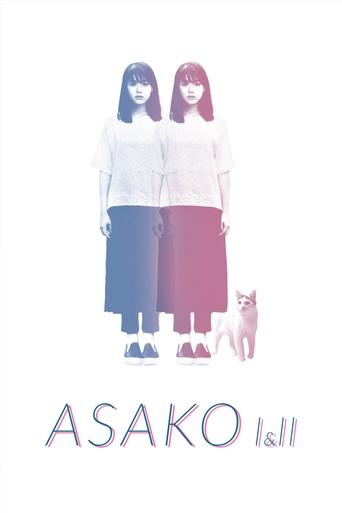 6.8Asako I & II2018 · Ryusuke Hamaguchi
 7.5My Tomorrow, Your Yesterday2016 · Takahiro Miki
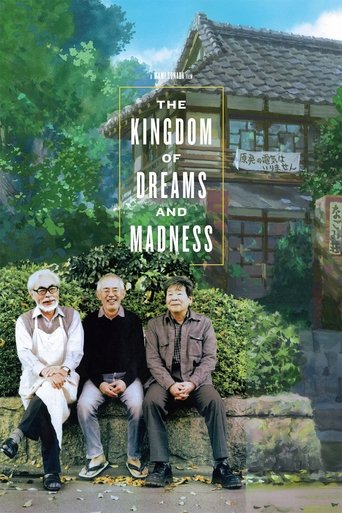 7.6The Kingdom of Dreams and Madness2013 · Mami Sunada
 7.9Swing Girls2004 · Shinobu Yaguchi
The masters
Full list (45) 7.3
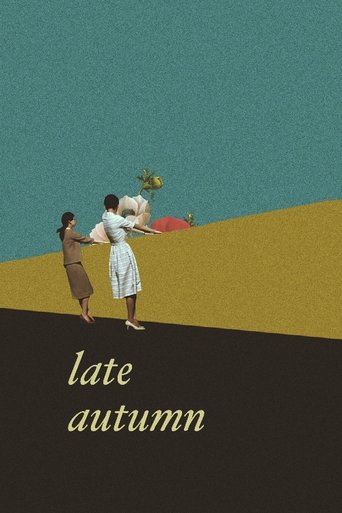 7.7
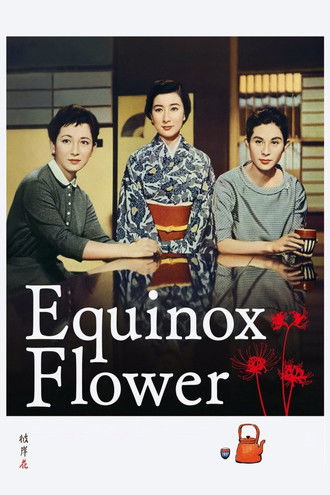 7.4
 7.1
 7.0
 7.3
Classics
Full list (20) 6.3
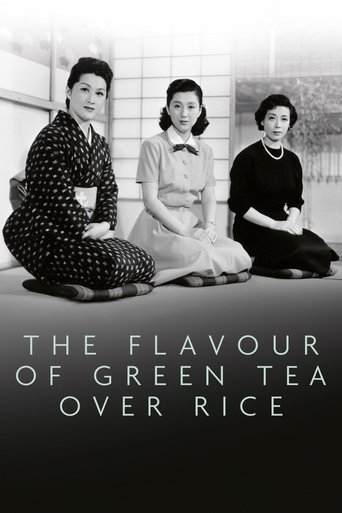 7.5
 6.7
 7.3
 7.1
 7.1
At the table
Full list (17) 7.5
 7.8
 7.2
 7.7
 7.4
 6.5
Youth
Full list (37) 7.6
 7.5
 7.2
 6.7
 7.4
 7.5
Time and wonder
Full list (25) 6.7
 6.8
 6.3
 6.3
 7.2
 7.0
The JPFilms guide to Japanese cinema
JPFilms: Japanese films from Ozu to today, with Perfect Days, Sweet Bean, Kikujiro, Love Letter, Swing Girls and Late Autumn
Japanese cinema is one of the great film traditions of the world, and one of the most welcoming. Its best-known works are often its quietest: a widow and her daughter deciding who should marry first, an old woman stirring a pot of sweet beans, a man who cleans the public toilets of Tokyo and photographs the light through the leaves at lunchtime. JPFilms is a guide to that tradition. It lists 176 films made between 1951 and today, the work of 115 directors and some 337 hours of viewing, and gives each a page in English with its director, its cast, its story, its rating and a Watch now button that leads to the official services carrying it.
The selection leans towards the humane and the everyday. One hundred and thirty-seven of the films are dramas and eighty are comedies, with fifty-seven love stories; thirty-seven are about school days and growing up, thirty-six began as manga and thirty-one as novels, twenty-five play with time or fantasy, seventeen are about food and fifteen about music. Forty-five are the work of directors whom critics count among the masters, from Yasujirō Ozu and Mikio Naruse to Hirokazu Kore-eda, Naomi Kawase and Ryusuke Hamaguchi. Everything was chosen by hand for a household audience.
This guide moves through the catalogue in the order of its timeline, from the studio age to the present, and then by theme. It begins with how the site works and ends with questions and answers. For the practical steps alone, see the short page on how to watch with JPFilms.
How JPFilms works
The home page opens with a heading beside a framed still from the most watched film in the catalogue, captioned with its title, year and director. Beneath it runs a timeline, an ink rule with four red dots, one for each era: 1951 to 1989, 1990 to 2009, the 2010s and the 2020s. Each dot shows how many films the era holds and opens its list.
Rows of posters follow: the most watched films, the masters, the classics, shown in monochrome until the pointer passes over them, then films about food, youth, and time and wonder. Under every poster stand the title, the year and the name of the director, because in this cinema the director's name is often the best guide to what a film will feel like. A red tab on each poster carries the rating.
A film's page gives the summary, the running time, the cast with the parts they play, the studio and the release date. The Watch now button sits beside a country selector: choose a country, press the button, and JustWatch opens with the subscription, rental, purchase and free services that carry the film there. The page on finding a film describes every route, and My List explains the viewing notebook.
The studio age: 1951 to 1969
Ten films represent the 1950s and 1960s, the years when the Japanese studios were among the busiest and most accomplished in the world. Three are by Yasujirō Ozu, whose style is unmistakable: the camera sits low, as if kneeling on a mat; it hardly moves; and the story is carried by small talk over tea and sake. The Flavor of Green Tea Over Rice, from 1952, studies a marriage between a plain-spoken husband from the country and a wife from a grander family, and resolves it over the humblest of dishes. Equinox Flower, from 1958, was Ozu's first film in colour, a comedy about a father who gives broad-minded advice on other people's daughters and is aghast when his own chooses a husband for herself. In Late Autumn, rated 7.7, three middle-aged friends decide to find husbands for a widow, played by Setsuko Hara, and her daughter, with results that are funny and finally very moving.
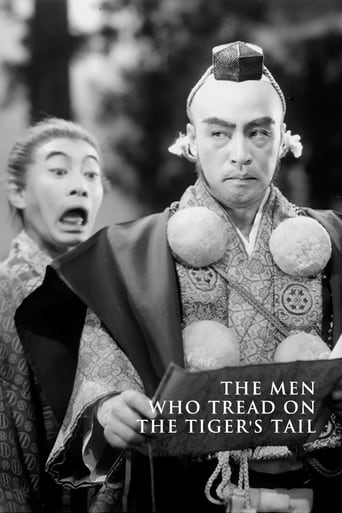
The other masters of the period are here too. Lightning, by Mikio Naruse, follows a young bus conductor, played by Hideko Takamine, who wants a different life from that of her quarrelsome family. Takamine appears again in Keisuke Kinoshita's Carmen Comes Home, from 1951, the first Japanese feature made in colour, a bright comedy about a Tokyo dancer who returns in triumph to her mountain village. The Men Who Tread on the Tiger's Tail is an early work by Akira Kurosawa, completed in 1945 and released in 1952: a lord and his retainers, disguised as monks, must talk their way through a border post, and at 59 minutes it is a miniature of his later adventures.
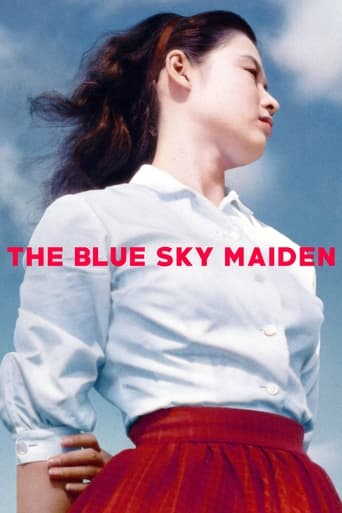
A younger generation announced itself at the end of the 1950s. Yasuzō Masumura made The Blue Sky Maiden, a quick, sunny story of a girl who goes to Tokyo to find her father's family, and Giants and Toys, a ferocious comedy about three caramel companies and the advertising war between them. Street of Love and Hope, from 1959, was the first film by Nagisa Ōshima. And in 1965 Kon Ichikawa turned the official record of the Tokyo Games into Tokyo Olympiad, rated 7.7, a study of effort and faces that remains one of the finest sports films ever made. The classics page sets these out by decade.
The 1980s
Ten films come from the 1980s, a decade of new independent voices. Muddy River, from 1981 and rated 7.3, was the first film by Kōhei Oguri, shot in black and white: in Osaka in 1956, the son of a noodle-shop owner befriends a brother and sister who live on a houseboat moored across the water. The Family Game, by Yoshimitsu Morita, is a deadpan satire in which an eccentric tutor is hired to push a schoolboy up the class rankings and ends by upending the family's dinner table, literally. Morita's And Then adapts a novel by Natsume Sōseki with great elegance.
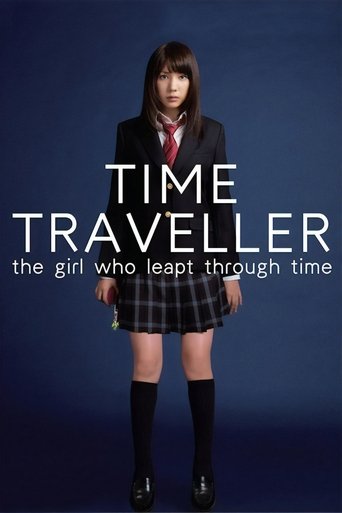
Nobuhiko Obayashi made three of the decade's films here, all set among the hills and ferries of his home region on the Inland Sea. The Girl Who Leapt Through Time, from 1983, is the first screen version of a story that Japan has since retold many times, about a schoolgirl who smells lavender in the science room and finds herself slipping between days. Lonely Heart and His Motorbike, Her Island, rated 7.7, have the same wistful summer light.
Two films star Ken Takakura, the great stoic of Japanese cinema. In A Distant Cry from Spring, directed by Yoji Yamada and rated 7.4, he is a stranger who arrives at a Hokkaido dairy farm on a stormy night and stays to help a widow and her son. In Antarctica, from 1983, he is a member of the research expedition of 1958 that was forced to leave its sled dogs behind, and the film follows both the men and the dogs through the polar year. The documentary Antonio Gaudí, by Hiroshi Teshigahara, lets the Catalan architect's buildings speak almost entirely for themselves.
The independent wave: 1990 to 2009
Fifty-two films date from 1990 to 2009, when the old studios had faded and a generation of independent directors found audiences at home and at festivals abroad. Takeshi Kitano, already famous as a television comedian, turned out to be a film-maker of rare gentleness. A Scene at the Sea, from 1991 and rated 7.5, is very nearly wordless: a young man who is deaf and works on a refuse lorry finds a broken surfboard, mends it, and goes down to the shore each day to learn, watched by his girlfriend from the sand. Kikujiro, from 1999, sends a small boy across the country to find his mother in the company of a loud, idle, good-for-little neighbour, played by Kitano himself, and the two become the oddest and most touching pair in the catalogue.
Hirokazu Kore-eda arrived in the same decade. After Life imagines a modest way station, something like a rural school, where the newly dead spend a week choosing the single memory they will carry with them, and where the staff re-create that memory on film. It is rated 7.2 and has moved viewers all over the world to ask themselves the same question. His later I Wish follows two young brothers, separated by their parents' divorce, who come to believe that a wish made at the exact spot where two new bullet trains first pass each other will come true.
Shunji Iwai gave the 1990s their romance. In Love Letter, rated 7.8, a woman in mourning posts a letter to the childhood address of her late fiancé, in a snowy northern port, and receives an answer from a stranger who bears his name; their correspondence uncovers a school-days story that one of them is only now able to understand. April Story is a miniature about a shy girl's first weeks at a Tokyo university, and Hana & Alice a comedy of two schoolfriends and one bewildered boy. Iwai's early Fireworks, Should We See It from the Side or the Bottom?, made for television in 1993, is the shortest film on JPFilms at 50 minutes.
Naomi Kawase began her long study of the Nara countryside with Suzaku, rated 7.3, about a mountain family waiting for a railway whose building has been abandoned; Shara and The Mourning Forest, in which a young carer and an elderly widower lose their way among the trees, followed. Shinji Sōmai's Moving, rated 7.5, sees a marriage end through the eyes of a spirited eleven-year-old in Kyoto, and Yoshimitsu Morita's Haru, from 1996 and rated 8.0, is one of the earliest films anywhere about two people who fall in love by exchanging messages on a computer screen.
Crowd-pleasers of the 2000s
The same years produced a run of popular comedies that Japanese audiences still watch on holidays. Shinobu Yaguchi is their presiding spirit, and six of his films are listed. Waterboys, from 2001, is the story of five boys who form a synchronised swimming team for the school festival. Swing Girls, from 2004 and rated 7.9, repeats the trick with jazz: a class of idle girls in the rural north, glad of any escape from summer lessons, take over the brass band's instruments and discover the pleasure of swinging together. Happy Flight spends one eventful journey with the crew of an airliner bound for Honolulu.
Koki Mitani's Welcome Back, Mr. McDonald, rated 7.6, is a farce set during the live broadcast of a radio play, whose cast demand so many changes that a quiet romance in a fishing village has become, by the final act, an American courtroom thriller with a space rocket. Jūzō Itami's Supermarket Woman sends a shrewd housewife to rescue a failing grocery from its rival across the road. Kamikaze Girls, by Tetsuya Nakashima, is a candy-coloured comedy of friendship between a girl who dresses in lace and frills and a tough biker in a country town, and his Paco and the Magical Book is a fairy tale set in a hospital.
Nostalgia found its great expression in Always - Sunset on Third Street, from 2005 and rated 7.7. Takashi Yamazaki rebuilt a Tokyo backstreet of 1958 by computer, with the half-finished Tokyo Tower rising above it, and filled it with a car mechanic's family, a struggling writer and a country girl arriving for her first job. Two sequels are listed, the second set in the Olympic year of 1964. Hula Girls, rated 6.8, tells the true story of a coal town in the 1960s that saved itself by opening a Hawaiian resort, with the miners' daughters as its dancers.
The decade also brought the films that defined the Japanese tearjerker, Crying Out Love in the Center of the World and Midnight Sun, and two much-loved stories of women abroad and at rest by Naoko Ogigami, Kamome Diner and Glasses. Linda Linda Linda, rated 7.6, belongs here too, and so do Nana, The Taste of Tea, Summer Time Machine Blues and Quill: The Life of a Guide Dog; they return below under their themes.
The 2010s
Seventy-two films, the largest group, come from the 2010s. Two currents run through the decade. One is the quiet drama for grown-ups. Sweet Bean, directed by Naomi Kawase in 2015 and rated 7.5, is its best-known example: the gloomy manager of a pancake stall hires an old woman with gnarled hands, played by Kirin Kiki, because her sweet bean paste is the best he has tasted, and learns her history as the cherry blossom comes and goes. The Great Passage, rated 7.2, spends fifteen years with the editors of a new dictionary, and makes the choice of a single definition as gripping as a chase. Her Love Boils Bathwater gives a mother with a short time to live, played by Rie Miyazawa, a list of family matters to put in order, beginning with the relighting of the family bathhouse.
Ryusuke Hamaguchi emerged in these years. Happy Hour, from 2015, follows four women friends in the port city of Kobe over 317 minutes, by far the longest running time on JPFilms, and viewers who give it an afternoon tend to remember it for years. His Asako I & II is a strange and exact romance about a woman who meets the double of a vanished lover. Kawase's Still the Water, Radiance and True Mothers, Shuichi Okita's A Story of Yonosuke and Yoji Yamada's Tokyo Family, a new version of a famous story of ageing parents visiting their busy children, belong to the same current.
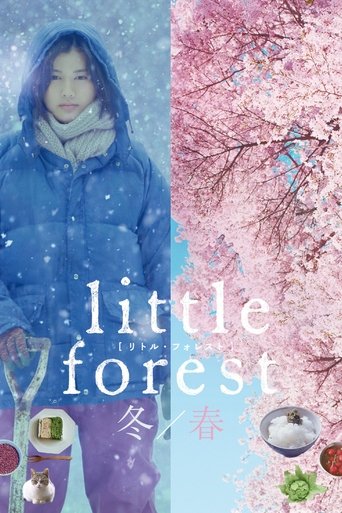
The other current is the adaptation from manga, which became the engine of the popular cinema. The two parts of Chihayafuru: Part I and Chihayafuru: Part II, the second rated 7.7, turned a traditional card game, in which players race to slap the card that completes a classical poem, into a breathless team sport, and made a star of Suzu Hirose. Bakuman is about two schoolboys trying to get a comic published, March Comes In Like a Lion about a teenage professional of the board game shogi, and Little Forest: Winter/Spring, rated 7.8, about a young woman who returns to her mountain village and cooks her way through the seasons with what she grows.
The decade's romances have a distinctive sweetness and a liking for one fantastic premise. In My Tomorrow, Your Yesterday, rated 7.5, a Kyoto art student falls for a girl on a commuter train and slowly learns why she seems to know what he will say. The 100th Love with You and Cafe Funiculi Funicula, in which a seat in a certain café lets a customer revisit the past for as long as a cup of coffee stays warm, work in the same vein. Flying Colors, rated 7.5, is a true story with a happier kind of suspense: a girl at the very bottom of her school year resolves to enter one of the best universities in the country, with a year to prepare.
The 2020s
Thirty-two films date from 2020 onward, and they show a cinema in good health. The most watched film on the whole site is Perfect Days, from 2023 and rated 7.8. It was directed by the German film-maker Wim Wenders, a lifelong admirer of Ozu, in Japanese and with a Japanese cast. Koji Yakusho plays Hirayama, who rises before dawn, waters his seedlings, drives to work listening to old cassette tapes, cleans the architect-designed public toilets of a Tokyo district with complete care, and reads a paperback before sleep. Very little disturbs the pattern, and the film finds in it a whole philosophy of attention.
A small theatre company from Kyoto supplied the decade's most ingenious comedies. Beyond the Infinite Two Minutes, from 2020, made for very little money and staged as if in a single unbroken shot, begins when a café owner discovers that the monitor in his shop shows what will happen two minutes from now. Its successor, River, traps the staff and guests of a riverside inn in a loop two minutes long. Mondays does something similar for an office, and A Samurai in Time, rated 7.1, sends a swordsman of the 1860s onto the set of a present-day samurai film, where he finds work as an extra who is struck down in every scene.
New dramatists have appeared as well. All the Long Nights, by Sho Miyake, is about two colleagues at a small firm that makes science kits, each coping with a condition that others find hard to understand, who quietly begin to look out for each other. My Sunshine, rated 7.1, watches a boy on a snowy northern island fall in love with figure skating, and Love Life, Aristocrats and Happyend look closely at family, class and school. The Fish Tale casts the actress Non as a child who loves fish above everything and grows up to share that love with the nation.
The young romance has continued to flourish. Drawing Closer, from 2024, holds the highest rating on JPFilms at 8.4, and The Last 10 Years, Love Like the Falling Petals and Even If This Love Disappears Tonight have found large audiences across Asia. Asakusa Kid closes a circle: it tells the story of the young Takeshi Kitano learning his trade from an old comedian in a Tokyo variety theatre.
The masters, director by director
The Masters list gathers forty-five films by twenty-two directors whose names carry weight with critics and festival juries, and it is the best single route into the catalogue. Naomi Kawase has the most, with seven. Her films are made of wind in the trees, hands at work and long pauses, and they ask for a patient viewer; begin with Sweet Bean, the most approachable, and go on to Suzaku. Ryusuke Hamaguchi has three, Shunji Iwai four, Nobuhiko Obayashi, Yoshimitsu Morita and Yoji Yamada three each, and Ozu three.
Takeshi Kitano and Hirokazu Kore-eda have two apiece, and both pairs make a fine double bill: a silent surfer and a noisy road trip from the first, a week in the hereafter and a children's adventure by bullet train from the second. Sion Sono, better known for wilder work, is represented by two gentle oddities, The Whispering Star, in which a robot courier delivers parcels across a lonely galaxy in a spaceship shaped like a wooden house, and Love & Peace, a fable about a clerk and his pet turtle.
Single films stand for the rest: Kurosawa, Naruse, Kinoshita, Ōshima, Ichikawa, Teshigahara, Itami, Sōmai, Oguri and Koji Fukada, with Wim Wenders as an honoured guest. The masters page suggests an order of viewing, and typing a director's name into the search field brings every film of theirs together.
Youth and the school club
Thirty-seven films are about the young, and the school club is their great subject. Japanese pupils give their afternoons to a single chosen activity for three years, and the cinema has found drama in almost every one of them. Besides the jazz band, the swimmers and the card players there is the cheer-dance squad of Let's Go, Jets!, rated 7.3, a true story of a provincial school team that won a championship in the United States; the film club of It's a Summer Film!, whose leader, a girl devoted to old samurai pictures, sets out to make one of her own over the holidays; and the manga artists of Bakuman.
Linda Linda Linda, directed by Nobuhiro Yamashita, is the best-loved of all. Three girls need a singer for the school festival in three days' time and ask the first person who walks past, a Korean exchange student, played by Bae Doona, who has only begun to learn Japanese. The film watches them rehearse at night, fall asleep over their instruments and run through the rain to the gymnasium, and its closing song is pure happiness. The Kirishima Thing takes a cooler view, showing how one popular boy's absence unsettles a whole school, and Seto and Utsumi, rated 7.5, simply sits two boys on the steps by a river and lets them talk.
The youth romances are many, most of them from manga for teenage readers: Strobe Edge, Honey, Lovely Complex, High School Debut, ReLIFE and One Week Friends, whose heroine forgets her friends each Monday. Yamashita's A Gentle Breeze in the Village is a quieter thing, set in a country school with only a handful of pupils. The youth films page sorts the list by kind.
At the table
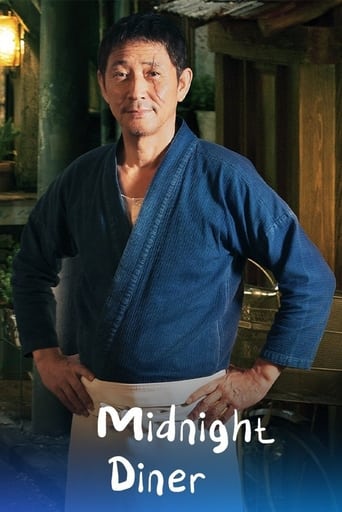
Seventeen films are about food, and they are among the most restful in the catalogue. Midnight Diner, rated 7.7, and its sequel are set in a tiny Tokyo eating house that opens at midnight and closes at seven in the morning. Its owner, known only as the Master and played by Kaoru Kobayashi, will cook anything a customer asks for if he has the ingredients, and each dish brings a story with it. Kamome Diner, rated 7.4, follows a Japanese woman who opens a café in Helsinki and waits, serenely, for her first customer; rice balls and cinnamon rolls do the rest.
The Chef of South Polar is a comedy about the cook at a research station in the Antarctic, eight men and a year of dinners with nowhere else to go. Bread of Happiness is set in a lakeside bakery in Hokkaido that receives a different pair of guests in each season. Every Day a Good Day, rated 7.2, follows a young woman through twenty-four years of weekly lessons in the tea ceremony, with Kirin Kiki, in one of her last parts, as her teacher; it is a film about learning to notice the sound of water and the change of the seasons.
The documentary Ramen Heads spends a year with a celebrated noodle chef, and The Taste of Tea, rated 7.5, is a comedy of an eccentric country family that defies summary. Even Ozu belongs on this shelf: rice with green tea poured over it settles the argument of his 1952 film. The at the table page arranges the menu.
Time and wonder
Twenty-five films bend the rules of the everyday, usually by a small amount and with a light touch. Time is the favourite plaything. Summer Time Machine Blues, rated 7.0, is a campus farce in which the members of a science-fiction club find a time machine in their clubroom and use it, of all things, to go back one day to rescue the remote control of their air conditioner. The two films called after the girl who leapt through time, from 1983 and 2010, tell different chapters of one story, and The Door into Summer adapts a classic American novel of suspended sleep and a faithful cat.
Other films open a door between worlds. In Color Me True, rated 7.5, a princess from an old black-and-white film steps out of the screen into the life of a young assistant director who has watched her nightly. Destiny: The Tale of Kamakura, also 7.5, sets a writer and his young wife in a seaside town where spirits and river sprites shop alongside the living. Thermae Romae II sends an ancient Roman bath designer, played by Hiroshi Abe, back and forth between his own age and the hot springs of modern Japan in search of ideas, and The Miracles of the Namiya General Store lets three young men answer letters dropped through a shop's shutter thirty years earlier.
A few are simply strange in a friendly way: Symbol, in which a man wakes in a white room with a great many switches, and Cyborg She, a romance with a visitor from the future. The time and wonder page lists them all.
Music
Fifteen films are about music. Rock has the largest share. Nana, from 2005, brings together two young women of the same name on a train to Tokyo, one a punk singer, the other a romantic in search of a home, and follows them into a shared flat; its sequel continues the story. BECK and Solanin are about bands on the edge of giving up, Farewell Song about a duo on their last tour, and Fish Story, rated 7.2, about a forgotten punk record of 1975 that, by a chain of delightful accidents, saves the world in 2012.
Gentler music fills Have a Song on Your Lips, in which a pianist returns to her island school to coach the choir for a national contest, and Nodame Cantabile: The Movie I, with Juri Ueno as an untidy piano prodigy and Hiroshi Tamaki as the young conductor she adores, now trying their luck in Paris. Dance with Me is a musical comedy about an office worker who, after a visit to a hypnotist, finds she must dance whenever she hears a tune, and The Legend of the Stardust Brothers, from 1985, is a gleefully odd pop musical with a devoted following. See the music page.
A cinema of seasons
Japanese films keep a calendar. Titles alone announce it: a late autumn, an equinox, an April, a summer film, a winter and a spring in a small forest. The habit comes from an old poetic tradition in which every verse names its season, and it gives the cinema a rhythm that viewers from elsewhere quickly learn to enjoy. Spring means cherry blossom and beginnings: the first day at university in April Story, the pink canopy over the pancake stall in Sweet Bean, the petals of Love Like the Falling Petals, whose heroine has only a few seasons to spend.
Summer is the season of youth, of cicadas, school holidays and festivals. The boys of Fireworks, Should We See It from the Side or the Bottom? argue over the shape of a firework as one of them misses his chance with a girl who is leaving town; the film club races the end of August; the jazz band learns to swing in the heat. His Motorbike, Her Island and Still the Water are summers by the sea, and Kikujiro is one long August holiday.
Autumn belongs to Ozu and to marriages arranged and resisted, and winter to snow country: the white streets of Love Letter, the frozen pond of My Sunshine, the village of Little Forest: Winter/Spring where the heroine dries persimmons and bakes bread on the stove, and the single wordless day of The Night I Swam, in which a small boy sets out across the snow to find the fish market where his father works. A viewer could do worse than watch by the weather outside.
Dogs, cats and other company
Animals have a secure place in this cinema. Quill: The Life of a Guide Dog, rated 7.0, follows a Labrador from the litter to his training and his years with a blind and stubborn master, in a plain style that trusts the dog to hold the screen. 10 Promises to My Dog tells the life of a girl and her golden retriever through the promises she makes on the day he arrives. Antarctica made national heroes of two sled dogs.
Cats fare equally well. The heroine of Rent-a-Cat, by Naoko Ogigami, walks the riverbank with a handcart, lending cats to lonely people who must first pass her inspection. A cat named Pete shares the adventure of The Door into Summer, and a pet turtle grows to an alarming size in Love & Peace. The Fish Tale is devoted to everything that swims, and Bunny Drop, in spite of its title, is about a small girl and the unprepared man who becomes her guardian.
Families on screen
The family is the oldest subject of Japanese film, and seventeen titles carry the label. The studio-age films examine it at the moment a daughter leaves home. The modern ones look at families put together in less usual ways. True Mothers, by Naomi Kawase, tells the story of an adoption from both sides, the couple who receive a baby and the schoolgirl who gave him up. Love Life follows a young mother whose former husband reappears after a loss, and Her Love Boils Bathwater discovers, one revelation at a time, how its family came to be.
Kore-eda's I Wish sees a divorce through the hopes of two small brothers living at opposite ends of an island, and Moving through the anger and imagination of a girl who refuses to accept it. Tokyo Family and What a Wonderful Family!, both by Yoji Yamada and with the same company of actors, show three generations in drama and then in farce. Even the lightest comedies here tend to end at a shared meal, with everyone talking at once.
Four documentaries
Four documentaries complete the catalogue. The Kingdom of Dreams and Madness, rated 7.6, spends a year inside the animation studio founded by Hayao Miyazaki and Isao Takahata, watching the two masters, by then in their seventies, at work on their final films; it is full of pencils, cigarettes, a studio cat and long silences on the roof garden. Tokyo Olympiad and Antonio Gaudí are works of art in their own right, and Ramen Heads is for anyone who has ever queued for a bowl of noodles.
They are also a reminder of how seriously Japanese film-makers take the act of looking. Whether the subject is a sprinter's face, a tiled roof in Barcelona, an animator's desk or a pot of broth, the camera stays until the thing has been properly seen, and that patience links the documentaries to the dramas that surround them.
From manga and novels
More than a third of the films began on the page. Thirty-six come from manga, and the range of the form is the range of the list: the nightly customers of Midnight Diner, the farm kitchen of Little Forest: Winter/Spring, the bachelor of Bunny Drop who takes in a six-year-old relative, the delinquents of Cromartie High School: The Movie, the former gangster of The Way of the Househusband: The Cinema, rated 7.5, who brings the full ferocity of his old trade to the supermarket sales. Wotakoi: Love is Hard for Otaku turns an office romance between two hobbyists into a musical, and Fly Me to the Saitama is a mock epic about the rivalry between Tokyo and the unfashionable prefecture next door.
Thirty-one films come from novels. The older ones draw on the classics of modern Japanese literature, the newer on bestsellers: The Miracles of the Namiya General Store, April, Come She Will, Hold Me Back, whose heroine consults an inner voice on every decision, and Wood Job!, in which a boy who has failed his exams signs up for a year of forestry because of the girl on the brochure. The pages on films from manga and from novels make good reading lists as well.
The countryside
Eleven films are set far from the cities, and they show a Japan that visitors seldom see. Wood Job!, rated 7.4, is the funniest: the mountain village, the giant cedars and the wild festival at the end are all real. The Tale of Iya was shot on film in one of the remotest valleys of the island of Shikoku, through all four seasons. Dear Doctor, by Miwa Nishikawa, concerns a beloved village physician who disappears one day, and how much his patients truly knew about him.
Elsewhere the country is a place of recovery. The heroine of Glasses arrives at a beach inn with a heavy suitcase and learns the local art of doing very little. Survival Family turns the idea into an adventure: when every electrical device in Japan stops working, a Tokyo family sets out by bicycle for the grandfather's fishing village, hundreds of miles to the south, and learns on the way how to catch, cook and cooperate. The countryside page lists the films, and Ito, about a shy girl who plays the three-stringed shamisen of the far north, is a good companion to them.
Comedy and romance
Eighty films are comedies, and Japanese comedy has many registers. There is the big-hearted ensemble of Yaguchi and of Yoji Yamada's What a Wonderful Family!, in which a wife of fifty years asks for a divorce as a birthday present. There is the television favourite brought to the large screen, such as Trick the Movie: Last Stage, GTO: The Movie, Gokusen: The Movie and the two specials of Legal High SP, in which Masato Sakai plays a lawyer who has yet to lose a case and intends to keep it that way. And there is the deadpan school of Fine, Totally Fine and The Calamari Wrestler, whose hero is, as promised, a wrestling squid. The comedy page picks out a few of each.
Fifty-seven films are love stories. Beside those already named stand Tremble All You Want, a sharp comedy about a woman who has adored the same classmate in her imagination for ten years, Theatre: A Love Story, rated 7.7, about a struggling playwright and the woman who believes in him, and Just Remembering, which revisits one couple on the same July date across six years, moving backwards. Threads - Our Tapestry of Love follows two people from a first meeting at thirteen through eighteen years of near misses. The romance page sorts them by mood.
Faces to know
Japanese actors work constantly, and a viewer soon begins to recognise them. Nana Komatsu appears in six films, from My Tomorrow, Your Yesterday to The Last 10 Years. Aoi Miyazaki and Kento Yamazaki have five each; she is the romantic one of the two Nanas and the young chef of The Great Passage, he the lead of The Door into Summer and Theatre: A Love Story. Juri Ueno, Masato Sakai, Takeru Satoh, Kasumi Arimura and Hidetaka Yoshioka, the hapless writer of the Third Street films, have four.
The veterans leave the deepest mark. Kirin Kiki, who died in 2018, is the heart of Sweet Bean and Every Day a Good Day. Koji Yakusho carries Perfect Days almost alone and won the best actor prize at Cannes for it. Ken Takakura's two films show why a nation loved him, and Hideko Takamine and Setsuko Hara represent the great actresses of the studio age. Any of these names can be typed into the search field.
The top rated list
Thirty-seven films hold a rating of 7.5 or higher. Drawing Closer leads at 8.4, and four films stand at 8.0, among them Haru. Swing Girls follows at 7.9 with Love Like the Falling Petals; Love Letter, Perfect Days and Little Forest: Winter/Spring share 7.8, and Late Autumn, Tokyo Olympiad, Midnight Diner and the first Third Street film 7.7. The list mixes six decades and every kind of film on the site, and the top rated page points to a few of its quieter members.
A first month of Japanese film
A newcomer might plan a month as follows. In the first week, Perfect Days and Sweet Bean, to learn the pace. In the second, two comedies, Swing Girls and Welcome Back, Mr. McDonald. In the third, a step back to the studio age with Late Autumn, and then Kikujiro to see what the 1990s made of the same gentleness. In the fourth, something playful, Beyond the Infinite Two Minutes, which lasts only seventy minutes, and something to end on, Love Letter.
The running times help. Most films last between an hour and a half and two hours; a handful are miniatures of an hour or less; Happy Hour is an afternoon in itself. Every film carries English summaries, and the Watch now button shows which services offer it with subtitles in your country. Note anything that appeals in My List as you browse, and the notebook will be waiting.
A film page in detail
Each film page follows one design. At the top stand the poster, the English title with the Japanese title beneath it, the year, the running time and the genres, followed by the summary and two buttons, Watch now and the list button. The Where to watch panel holds the country selector. A table sets out the original title, the release date, the language, the studio and the audience rating with its number of votes.
The cast list names each performer and the part played, and the director is credited below. Related films close the page, drawn from the same lists, so that Kamome Diner leads to other films of its director and to other films about food. The search field in the top bar accepts a title in English, a director, a performer or a year.
Questions and answers
Questions
What is JPFilms?
JPFilms is a guide to 176 Japanese films made between 1951 and today by 115 directors. Each film has a page in English with its director, cast, summary and rating, and a Watch now button that leads to the official services carrying it.
Which film should I see first?
Perfect Days is the most watched film on the site, and Sweet Bean and Swing Girls are equally easy to love. The page on a first month of viewing suggests eight films in order.
How do I watch a film?
Open its page, select your country in the Where to watch panel and press the red Watch now button. JustWatch then shows the subscription, rental, purchase and free services that carry the film in that country.
Are the films subtitled?
JPFilms gives titles and summaries in English, and the films themselves are in Japanese. The services listed by JustWatch state which subtitle languages they offer.
Which film is rated highest?
Drawing Closer leads at 8.4 and Haru stands at 8.0. Thirty-seven films are rated 7.5 or higher.
How old is the oldest film?
Carmen Comes Home dates from 1951. Twenty films were made before 1990 and form the Classics list.
Who are the masters?
The Masters list holds forty-five films by twenty-two directors, among them Yasujiro Ozu, Takeshi Kitano, Hirokazu Kore-eda, Naomi Kawase, Shunji Iwai and Ryusuke Hamaguchi.
Is the selection suitable for families?
Every film was chosen by hand for a household audience. Each page gives the genres and a summary so that parents can judge a film in advance.
What is the viewing notebook?
My List is a notebook of films to see. It is written to the browser on the device in use, shows each change as it is made, and can be copied out as a file from the list page.
Where does the information come from?
Posters, ratings, casts and production details come from TMDB. The guide on this page and the help pages are written for JPFilms.
